

Plastic is almost ubiquitous in urban life. Everyday choices can be a significant force in reducing plastic emissions. From supermarket plastic bags to takeout packages, from food packaging at home to plastic bottles for cleaning products, the cumulative use over time has left many feeling overwhelmed. Many high-frequency scenarios in our lives hold enormous potential for plastic emission reduction. In fact, by starting with small things in our daily lives and making changes bit by bit, we can significantly reduce the pressure of plastic pollution on the environment, while also making life simpler and healthier.
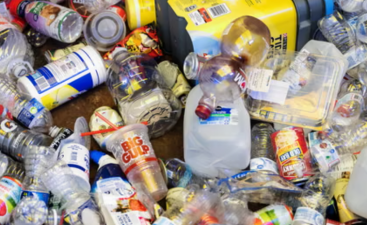
What types of plastics are there?
Polyethylene:
Polyethylene is a thermoplastic resin obtained by the addition polymerization reaction of ethylene. Depending on the polymerization conditions, polyethylene with relative molecular weights ranging from tens of thousands to millions can be obtained. Polyethylene is a slightly white granule or powder, semi-transparent, non-toxic and odorless, with good chemical stability and resistance to acid and alkali corrosion. Commercially, polyethylene is classified into low, medium, and high density. The main type of polypropylene used for packaging is low-density polypropylene (0.92 g/cm3 - 0.93 g/cm3) without plasticizer.
Polypropylene:
The relative molecular weight is between 80,000 and 200,000. The main chain of polypropylene has a methyl side chain. If all the methyl groups are distributed on one side, it is called isotactic polypropylene; if the methyl groups are regularly distributed on both sides of the main chain, it is called syndiotactic polypropylene; if the methyl groups are randomly distributed on the main chain, it is called atactic polypropylene. Polypropylene is usually a translucent solid, odorless and non-toxic, with a density of (0.90 g/cm3 - 0.91 g/cm3), higher mechanical strength than polyethylene, and good heat resistance. Among the three types of polypropylene, isotactic polypropylene has the largest output. Using titanium trichloride-diethylaluminum chloride as a catalyst, propylene is polymerized in hydrogenated saturated gasoline to obtain isotactic polypropylene.
Polyvinyl chloride:
The relative molecular mass is between 50,000 and 120,000. Polyvinyl chloride is a thermoplastic resin that is produced by free radical addition polymerization. Amorphous white powder with no fixed melting point, density ranging from 1.35 g/cm³ to 1.45 g/cm³, exhibiting good chemical stability. Meltable in cyclohexane, chlorobenzene, dimethylformamide, and toluene-acetone mixed solvents.
Polystyrene:
Average relative molecular mass approximately 200,000. Colorless, odorless, and transparent resin with good light transmittance. Glossy surface, flammable, density ranging from 1.05 g/cm³ to 1.07 g/cm³. Excellent water resistance, corrosion resistance, and electrical insulation.
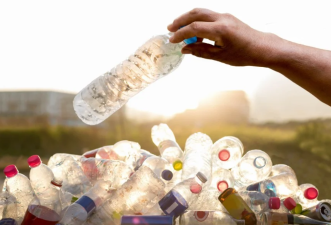
How to Reduce Plastic Pollution in Daily Life
Start with Shopping:
Reduce unnecessary plastic packaging and prioritize reusable and recyclable packaging.
Daily shopping is the starting point for plastic pollution and also the easiest step to change. The first step is to bring reusable shopping tools. Before leaving home, prepare cloth bags, canvas bags, shopping baskets, and reusable food containers (such as glass jars, stainless steel boxes, and ceramic boxes), and try to avoid using disposable plastic bags. When shopping at markets and grocery stores, try to choose bulk foods or items with minimal packaging. Bring empty containers for weighing and packing to reduce new packaging. For items that must be packaged, prioritize durable and recyclable materials such as cardboard boxes, paper bags, glass, or metal containers. If a merchant offers multiple packaging options, choose the one with the least packaging. When encountering packaging materials that are difficult to judge, ask the merchant if they are returnable or exchangeable, or if they can be provided in a more environmentally friendly way.
Home Storage and Kitchenware:
Replace disposable packaging with reusable containers. At home, food and other items are often stored in plastic packaging.
The core of this approach is to replace disposable plastic packaging with durable, easy-to-clean, and reusable containers. Glass jars, stainless steel boxes, silicone lids, and bamboo/wood lids are all good choices. When buying groceries, try to use your own containers for home storage to reduce the use of nylon bags, plastic films, and other covering materials. Be cautious about well-known "biodegradable plastics": many biodegradable plastics do not decompose quickly in a home environment, and their actual effect is often less than expected. Therefore, prioritize reusable solutions. For foods requiring refrigeration or freezing, pre-portioning can reduce plastic exposure during repeated opening and sealing, and also facilitates humidity and temperature control. As for food packaging film, reusable waxed paper (or packaging cloth made from soy wax or plant wax), silicone seals, or reusable food film can be used as alternatives.
Kitchen Cleaning and Daily Care Products:
Choose plastic-free or reusable alternatives.
Plastic bottles for cleaning products often constitute a large portion of household plastic waste. Prioritize cleaning agents without plastic packaging, or products that can be refilled according to usage. Some brands offer refillable bottles; simply replace the liquid after purchase. You can also try making simple cleaning solutions using natural materials such as vinegar and baking soda, avoiding the combination of chemical cleaning agents and large amounts of plastic packaging. For personal care, prioritize toothpaste, soap, shampoo, and body soap without plastic packaging; wooden or bamboo toothbrushes, biodegradable sponges, and solid soaps can all effectively reduce plastic packaging. When shopping, pay attention to "recyclable" and "reusable" labels, and try to avoid buying products with large quantities of single-use packaging. For daily care products, choose versions with "plastic-free packaging" whenever possible; if necessary, opt for local brands or small retailers to reduce packaging buildup during shipping.
Conclusion
Remember, every small step is a giant leap forward. Even if our individual efforts are insignificant, if we unite with others and form a collective force, we can create tremendous change. We welcome everyone to actively participate in environmental protection actions. Leave a comment telling us your answers and your efforts in protecting the environment! Let's work together to create a better future! Meanwhile, continue to follow the latest developments and solutions regarding plastic pollution, and let's work together to protect our planet!